Governance
Political leadership
We are are a cross-party, council-led organisation, with elected councillors at the heart of driving our organisation’s advocacy. The County Councils Network (CCN) has three layers of governance:
Management Committee
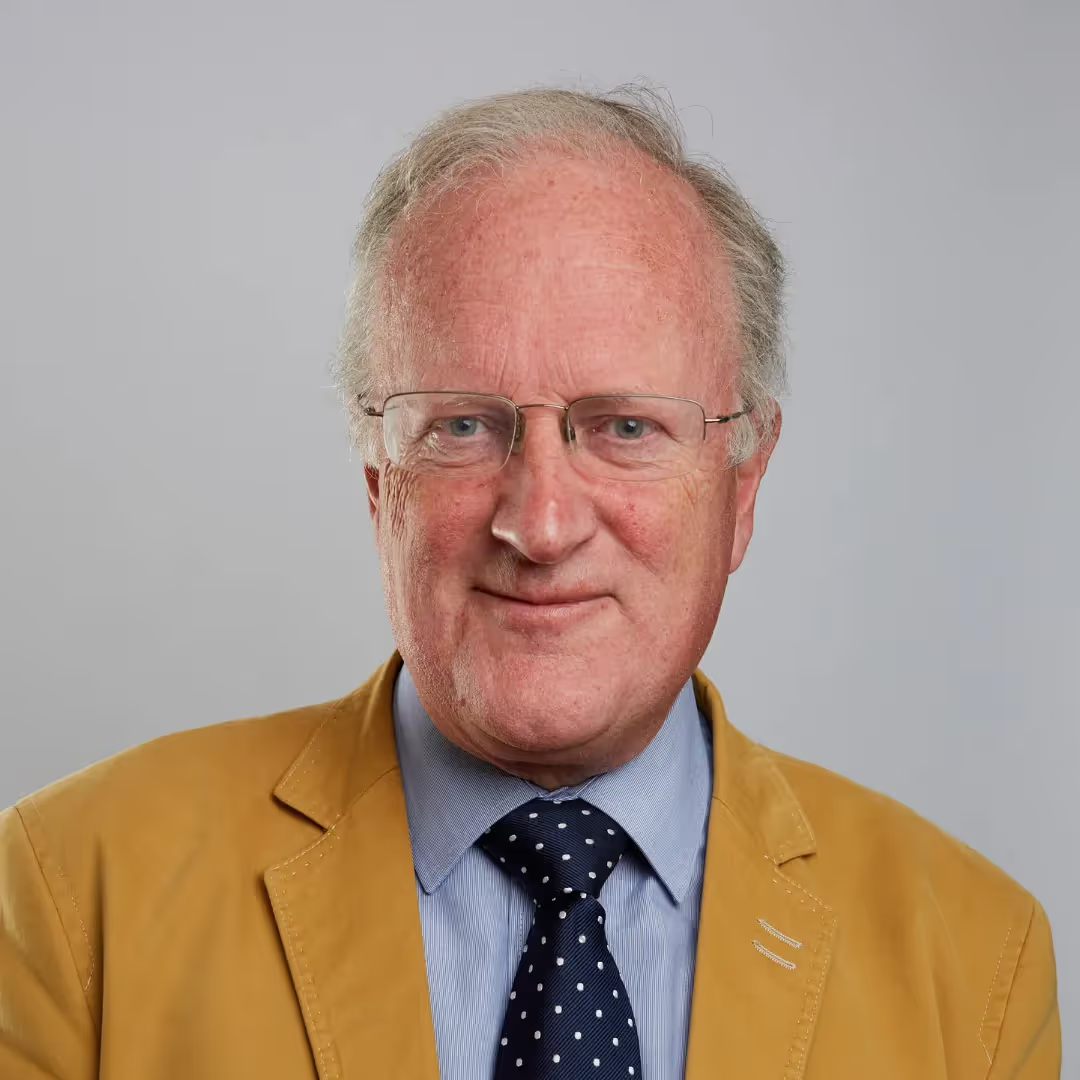
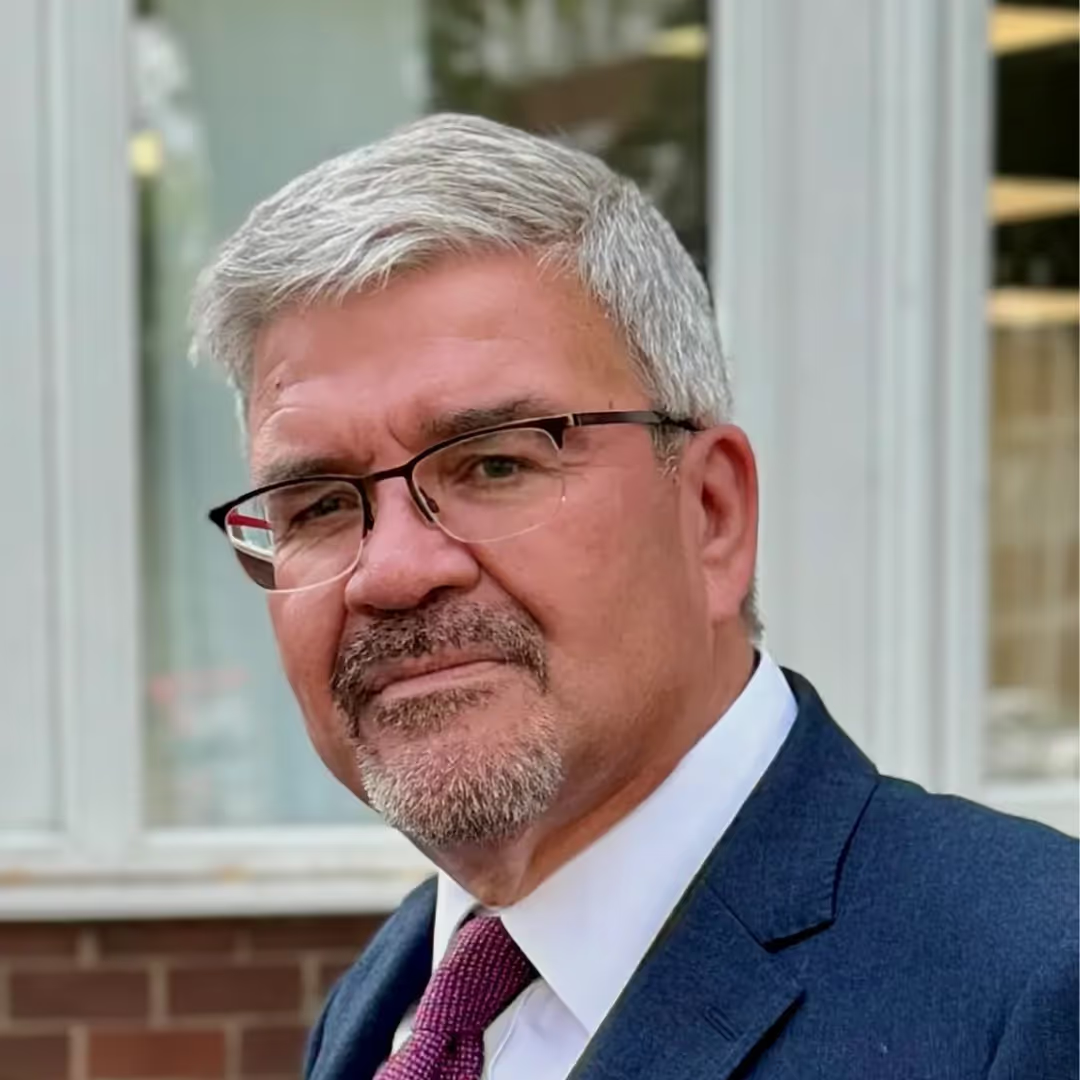
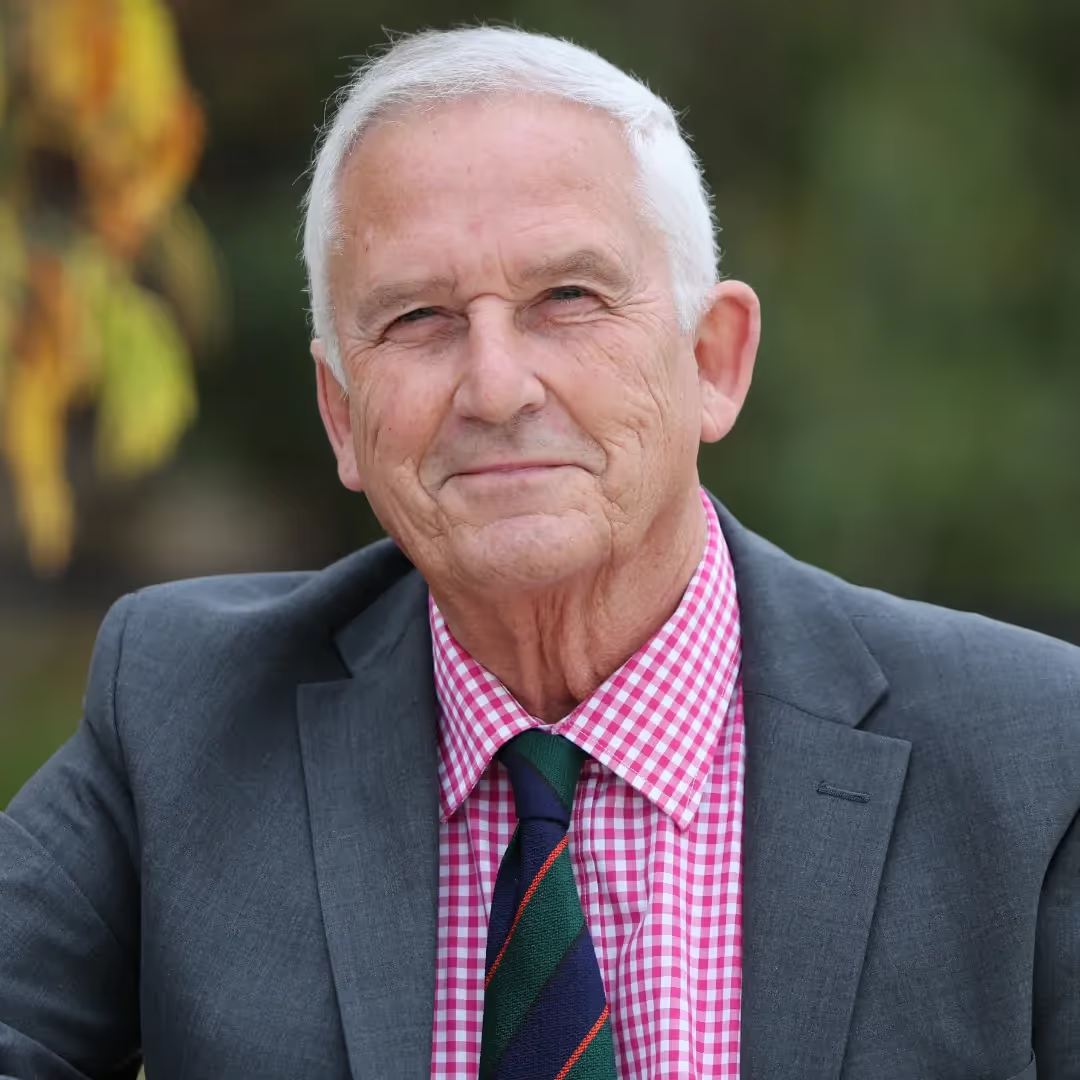
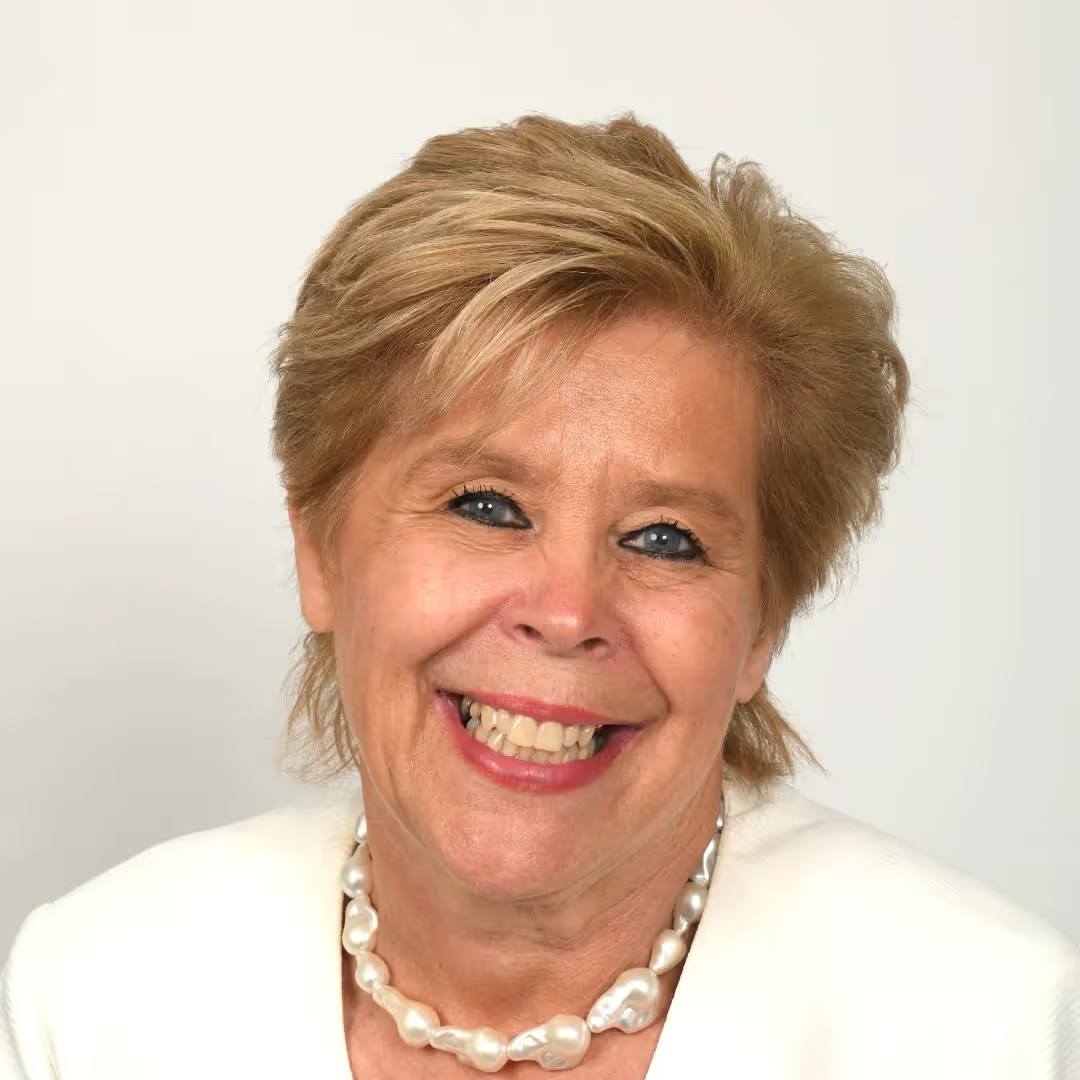
Is the elected body compromising the CCN Chair and Vice-Chairs from each of the political groups. The group with the largest political representation nominates the Chair.
The formal role of Management Committee is to propose our budget every March, alongside the audited accounts for approval by Council at our AGM in September. Given the cross-party nature of our network, it also provides an important forum which brings together the leaders of each political group.
Executive Committee
Is the politically proportionate body which consists of Management Committee members and group-appointed Executive Members. The overall balance of membership of the CCN Executive is politically proportionate in line with the total political balance of CCN authorities, with group leaders nominating spokespeople to lead on policy portfolios.
The primary function of the Executive Committee is to propose the CCN's business plan and work programme at the council meeting in March, alongside supporting the wider leadership, decision making, policy development and advocacy of the network. All members of CCN Executive, as the politically proportionate leadership body, have have an important role in fulfilling these functions.
CCN Council
Is the third part of our governance structure. A much larger body of around 150 councillors, each of our member councils nominate up to four elected members to serve on the CCN Council. Top-up places are used to ensure political proportionality.
CCN Council meets four times a year to approve the annual budget, business plan and audited accounts. Members of CCN Council have the opportunity to attend meetings and engage with high-profile speakers, including government ministers.