CCN Analysis- Rural Broadband Speeds
This report was our first exploration of rural broadband speeds, finding they lag far behind urban areas.
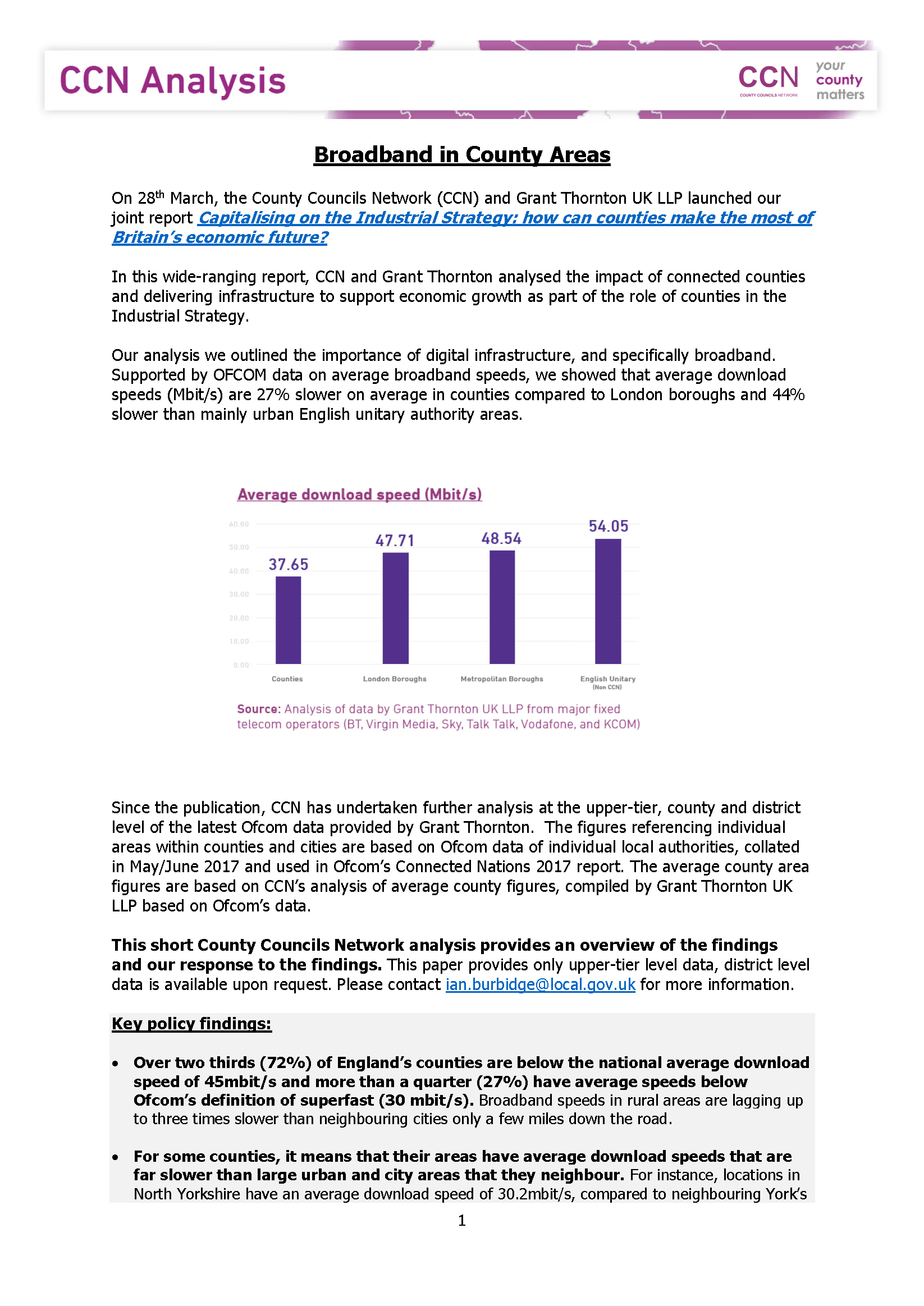

This report was our first examination of broadband speeds in county areas and highlights a significant digital divide between rural and urban locations. It finds that county areas have substantially slower average download speeds than cities and urban authorities, with speeds around 27% lower than London boroughs and 44% lower than predominantly urban unitary areas. A large majority of counties fall below the national average, and over a quarter do not meet the threshold for superfast broadband.
The disparity is particularly stark between neighbouring areas. In many cases, rural districts located close to cities experience speeds that are two to three times slower, placing local businesses and residents at a disadvantage. Most areas with below-average or sub-superfast connectivity are located in counties, demonstrating that this is a widespread rural issue rather than a regional one.
Our report argues that inadequate digital infrastructure risks holding back economic growth in county areas, especially in sectors reliant on fast connectivity such as technology, finance, and communications. Lower broadband speeds are linked to reduced productivity and weaker performance in high-growth industries.
While improvements have been made through government investment, the report concludes that further action is needed. It calls for increased investment in broadband infrastructure and greater powers for county authorities to drive local development and close the rural-urban connectivity gap.